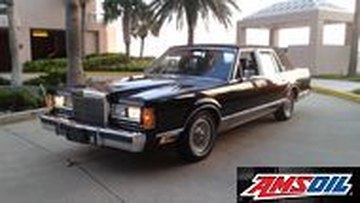
Maintaining Lubrication Standards for the 1981 Lincoln TOWN CAR 5.0L
Proper engine maintenance is a cornerstone of long-term vehicle health, particularly for classic luxury vehicles like the 1981 Lincoln TOWN CAR. With a 5.0L engine, ensuring that the lubrication system remains clean and properly filled is essential for managing the mechanical stresses associated with regular operation. While many modern maintenance tasks are automated or simplified, older engines require a more observant approach to fluid health and component integrity.Monitoring Fluid Integrity and Potential Seepage
A proactive approach to maintenance involves regular visual inspections of the engine bay. For an owner of a 1981 Lincoln TOWN CAR, observing the area around the engine for any signs of fluid seepage is a practical starting point. Rather than waiting for a significant leak to develop, checking for dampness or residue on various surfaces can provide early notice of aging components. When performing these inspections, look closely at gaskets and seals. Over time, the materials used in various seals may lose their ability to maintain a tight barrier, which can lead to slow seepage. It is important to note that seeing a small amount of residue does not always indicate an immediate failure, but it does warrant closer monitoring. If you notice changes in the amount of fluid appearing or if you observe any pooling, these are indicators that should be investigated by a professional to determine the exact source and severity. Additionally, checking the condition of hoses, if present, is a wise practice. Rubber components can become brittle or soft depending on their age and exposure to heat. Inspecting them for cracks, swelling, or signs of deterioration helps prevent unexpected issues during operation.Observing Changes in Engine Performance and Indicators
Maintaining awareness of how the vehicle behaves during operation is just as important as visual inspections. If you notice any unusual mechanical noises coming from the engine area, it may be worth investigating the lubrication status. While sounds can have many different origins, changes in the acoustic profile of an engine can sometimes be associated with changes in fluid levels or quality. Owners should also remain vigilant regarding warning indicators. If a dashboard light related to oil or engine temperature illuminates, this requires immediate attention. Furthermore, any unexpected changes in exhaust appearance—such as smoke that differs from normal operation—should be noted. It is vital to remember that these symptoms can have multiple causes; for example, an unusual odor might indicate oil contacting a hot surface rather than an internal mechanical issue. Because of this complexity, symptoms should be treated as prompts for professional diagnosis rather than definitive proof of a specific part failure.Prioritizing Maintenance Based on Current Condition
As vehicles age, the strategy for maintenance often shifts from strictly following a calendar to focusing on the actual condition of the machine. For a 1981 Lincoln TOWN CAR, this means using the current state of the engine and its components to decide where to focus your efforts. If you are stepping into ownership without a complete service history, establishing a maintenance baseline is a helpful first step. This involves documenting the current condition of all fluids, checking for any existing leaks, and noting the general cleanliness of the engine. Once this baseline is established, you can more easily identify when something has changed. When deciding which tasks to address first, prioritize active concerns. If there is evidence of an active leak or if a fluid appears significantly degraded, these should take precedence over purely preventive measures. Keeping a detailed log of all completed services, including the types of lubricants used and any parts replaced, provides invaluable context for future maintenance decisions and helps track the overall health of the 5.0L engine over time.The Role of Clean Lubrication in Engine Longevity
Engine oil performs several vital roles that contribute to the smooth operation of a vehicle. Beyond simply reducing friction between moving parts, it also assists in managing heat within the engine environment and helps to suspend contaminants so they can be removed by the filter. Over time, even with regular changes, oil can undergo chemical changes due to heat and exposure to combustion byproducts. This can lead to the formation of deposits or sludge if the oil is not replaced according to a consistent schedule. Maintaining clean lubrication is one of the most effective ways to ensure that internal components continue to operate within their intended design parameters. By ensuring the oil remains fresh and meets the necessary quality standards, you help protect the engine against the gradual buildup of debris that can impede performance.Practical Steps for Long-Term Ownership
For those committed to the long-term care of a classic Lincoln, consistency is key. This does not necessarily mean replacing every part regardless of its condition, but rather distinguishing between necessary repairs and unnecessary replacements. A successful approach involves:- Reviewing all available repair records to understand the vehicle's history.
- Monitoring fluid consumption levels to detect gradual changes.
- Inspecting age-sensitive components like belts (if equipped) for signs of glazing or fraying.
- Ensuring that any new parts installed are compatible with the 1981 engine specifications.